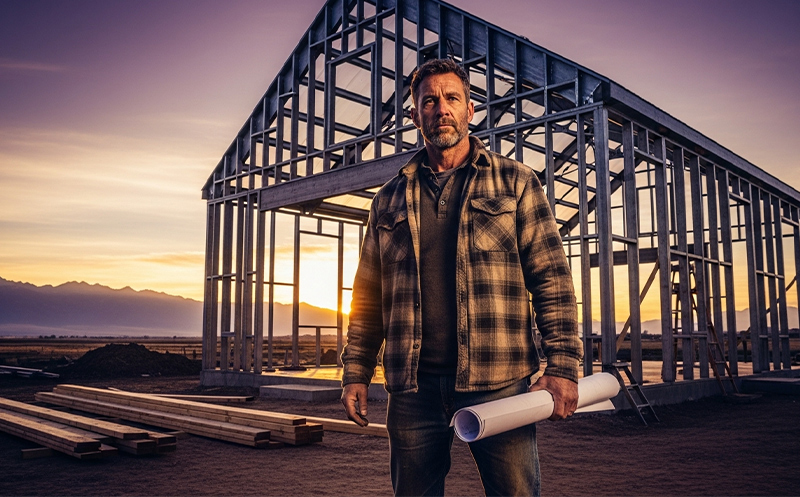
Image generated by Gemini
You’ve seen them. Drive out of the city core, past the sprawling suburbs of Aurora or toward the foothills of Golden, and there they are. They loom on the horizon: massive, modern, barn-like structures that look like they belong on an episode of some hip home design show. A few years ago, they were a curiosity. Now, they’re becoming common.
This isn’t just a random architectural fad. It’s a direct response to the absolutely absurd Denver housing market. While the news says the market has “hit its reset button,” the dream of a single-family home still feels like a cruel joke for most of us. Millennials, in particular, are getting shoved out of the market by sky-high prices and mortgage rates that just won’t quit, forcing them to get creative.
It all leads to the big question: What are these metal buildings, why are they suddenly everywhere, and could one of them actually be a viable solution to Denver’s housing nightmare?
So, Why Is Everyone Suddenly Obsessed With Living in a Barn?
The appeal goes way beyond just that they look cool. The reasons people are ditching traditional homes for barndominiums are practical, aesthetic, and perfectly suited for the Colorado lifestyle.
It’s About the Money, Obviously.
Let’s be direct: buying a house here is brutal. The median price of a detached home in the metro area is stubbornly hovering around $660,000, a number that pushes most normal people to the financial brink.
Now, compare that to a barndominium. Research shows a finished barndo can cost between $65 and $160 per square foot. A traditional new build? That can easily top $200 per square foot. All told, going the barndo route can lead to savings of 20-30% on the total cost of a new home. For anyone who needs space but can’t stomach another bidding war on a dated 1970s ranch in Centennial, that’s a game-changer.
The ‘Modern Farmhouse’ Vibe Hits the Front Range.
This isn’t just about building a cheap metal box; it’s a deliberate design choice. The barndo aesthetic plugs directly into the modern farmhouse trend that’s taken over home design.
Think cavernous, open-concept interiors with soaring ceilings. Massive roll-up garage doors that erase the line between your living room and a patio with mountain views. The ability to customize everything with materials like reclaimed wood, local stone, and sleek metal finishes. It’s a move away from cookie-cutter subdivisions and toward unique, personalized spaces that reflect personal values, a trend confirmed by Yelp’s recent 2026 Design Forecast.
A Workshop, an Office, and a Living Room—All Under One Roof.
This is where barndominiums truly shine. According to a National Association of Home Builders survey, 70% of builders define barndominiums as structures that combine residential living with a large shop or garage space.
Picture it: you can run your small business, store your RV and entire fleet of mountain bikes, build out a full woodshop, or create a sprawling artist’s studio—all without a second mortgage or even a commute. This hybrid live/work model is exactly what a lot of Coloradans are looking for.
Okay, But Is It a Real House? The Nuts and Bolts.
So it’s cheaper and more flexible. But will it fall over in the first windstorm? The construction details below help clarify some common misconceptions.
First Things First: Is It a Barndominium or a Pole Barn?
People often use these terms interchangeably, but they aren’t the same thing. The difference is in the bones of the building.
Pole barns use post-frame construction, meaning large wood posts are typically buried directly in the ground to form the structural support. They were originally designed for agricultural use—think simple hay storage or equipment sheds.
Modern barndominiums, on the other hand, are almost always built with a rigid steel frame bolted to a permanent concrete slab foundation. They are engineered from day one for residential living, which means they’re designed to a higher standard.
| Feature | Pole Barn Home | Steel Barndominium |
|---|---|---|
| Primary Frame Material | Wood Posts | Steel I-Beams |
| Foundation | Posts buried in the ground or on a slab | Poured concrete slab foundation |
| Typical Lifespan | 30-50 years, susceptible to rot/pests | 50-100+ years, resistant to fire, rot, pests |
| Best For | DIY-friendly workshops, garages, and simpler residential conversions | Fully engineered multi-use homes, commercial spaces |
The Construction Lowdown and Long-Term Value.
There’s a reason the U.S. steel framing market is projected to hit nearly $36 billion by 2032. Steel is simply more durable. It’s fire-resistant, impervious to pests, and engineered to withstand Colorado’s heavy snow loads and gale-force winds far better than traditional wood framing.
Choosing between wood and steel framing involves a lot of trade-offs in cost, longevity, and even insurance rates. If you want to explore which option is best for your custom, western dream home, the team at WorldWide Steel Buildings offers a comprehensive guide that breaks down the differences in materials, value, and durability before you commit to a building style.
The Not-So-Fun Part: Can You Even Build One Here?
Before you get too excited, let’s address the bureaucratic nightmare. This isn’t the Wild West. You can’t just buy a plot of land and throw up a metal building. There are rules. A lot of them.
Navigating the Red Tape in Jefferson and Arapahoe Counties.
First, any land you build on must be zoned for residential use. Second, the structure itself has to be permitted as a primary dwelling, not an accessory building. This is a critical distinction.
That means your barndo has to meet all the same building codes as a traditional home. We’re talking insulation requirements (IECC standards), proper egress windows, an approved septic and well plan (or sewer connection), and structural plans signed and stamped by a Colorado-licensed engineer. This process can sometimes get tangled in the broader zoning fights over housing density happening all across the Front Range, as some municipalities push back against state mandates.
What the Process Actually Looks Like.
If you’re serious, here’s a brutally honest checklist of what you’re up against:
- Verify Zoning: Before you buy land, confirm that the area allows residential structures, and there are no HOA covenants that explicitly restrict metal buildings. Verify it with the county planning department (like Jefferson County Planning & Zoning).
- Get Engineered Plans: The plans for your building kit must be reviewed and stamped by a Colorado-licensed engineer. This certifies they meet local requirements for snow load (measured in pounds per square foot) and wind speed (mph).
- Submit for Permits: This is not a single permit. You’ll need separate permits for the structure, foundation, septic/well, electrical, and plumbing. Each one is its own little journey through bureaucracy.
- Secure Financing: Talk to lenders early. Many are still skittish about financing barndominiums. You need to find a bank or credit union that has experience with non-traditional or custom construction loans.
- Site Prep & Foundation: This is a huge cost. The land has to be cleared, graded, and a proper concrete foundation poured before the building kit even shows up on a truck.
- Construction and Finish-out: After the steel shell is erected, the real work starts. The interior finish-out—framing rooms, running electrical, hanging drywall, installing kitchens and bathrooms—is often the most expensive and time-consuming part of the whole project.
Are Barn Homes the Future of the Denver ‘Burbs?
These metal barn homes aren’t just a quirky trend; they’re a practical, direct response to a housing market that has locked out a huge portion of the population. They offer a tangible path to homeownership for people who want space, flexibility, and a home that actually works for their life, not the other way around.
No, they aren’t a magical shortcut around building codes or zoning laws. The process is long, complicated, and expensive. But for a growing number of Coloradans, they offer a customizable, durable, and increasingly mainstream way to build a home that fits both a modern lifestyle and a realistic budget. They represent a basic shift in what a dream home can look, feel, and function like.