
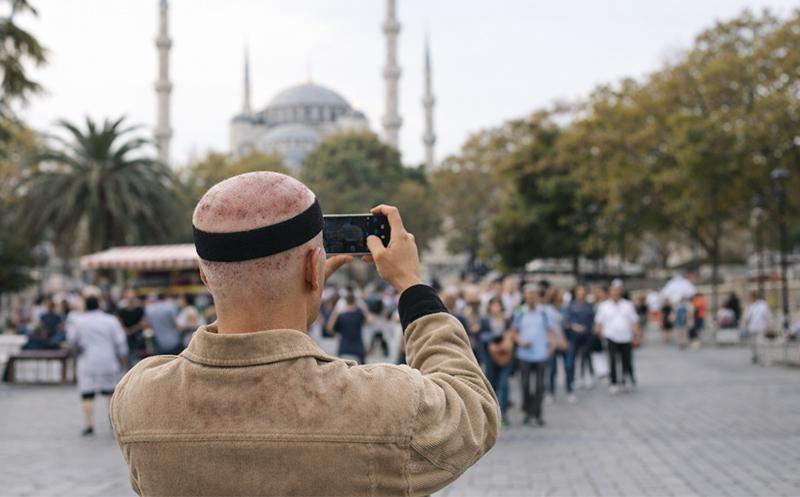
Cosmedica Clinic
Search for a hair transplant in Turkey, and you will quickly find before-and-after photos, clinic videos, travel packages, Reddit debates, and cost comparisons. For Americans accustomed to high out-of-pocket costs for cosmetic procedures, Turkey can look surprisingly affordable.
Turkey attracts hair restoration patients with Istanbul’s many clinics, global patient support, various techniques, and medical travel packages. The clinic, your treatment plan, and your expectations matter as much as the destination.
Why Turkey Became a Hair Transplant Destination for U.S. Patients
Americans search for Turkish hair transplant options for several reasons. Hair transplant costs in Turkey are usually part of the story, but they are not the whole story.
Many clinics in Istanbul support international patients, offering organized stays, early aftercare instructions, and remote follow-up that often exceed expectations about medical tourism procedures.
For Americans, the main appeals are affordability compared to U.S. clinics, a large number of providers, comprehensive travel support, and access to techniques such as FUE, DHI, Sapphire FUE, and Micro Sapphire DHI.
The caution is simple: a lower price does not automatically mean a good decision. A hair transplant clinic in Turkey should be evaluated on planning quality, communication, donor-area assessment, doctor involvement, aftercare, and realistic result discussions, not just on how many grafts are advertised.
What Actually Happens During a Hair Transplant?
A hair transplant moves hair follicles from a donor area, usually the back or sides of the scalp, into thinning or bald areas of the scalp. The goal is to redistribute existing hair in a way that looks natural and makes long-term sense.
Donor Area, Grafts, and Hairline Planning
The donor area is one of the most important limits in hair transplantation. It determines how many grafts are safely available and what realistic coverage is. A strong plan considers hair-loss pattern, age, hair type, scalp condition, donor density, and future thinning risk.
Hairline planning also needs judgment. A very low, straight hairline may look tempting in a mockup, but it may not suit the patient’s age, face, donor supply, or long-term hair-loss pattern. Natural-looking hair transplant results usually depend on restraint as much as density.
Why Expectations Matter
Patients often hope for their old hair back. A better question is: What result is realistic for my donor area and hair-loss pattern?
According to, Dr. Levent Acar, founder and head surgeon of the Istanbul-based hair transplant clinic, Cosmedica Clinic: “Transplantation is possible, but expectations must be explained clearly.”
That is especially important for advanced baldness. If someone has extensive hair loss from the front to near the donor zone, teenage-level density may not be realistic. A good plan may focus on defining the face, rebuilding the frontal hairline, and strategically using available grafts.
FUE, DHI, Sapphire FUE, and Micro Sapphire DHI: What Do These Terms Mean?
Cosmedica Clinic
Technique terms are confusing; most clinics claim advanced methods. In simple terms, these describe how hair follicles are extracted, prepared, and implanted.
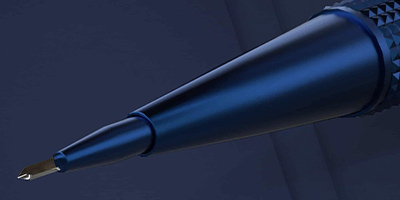
FUE, or follicular unit extraction, removes individual follicular units from the donor area. It is widely used because it avoids the linear scar associated with older strip methods and can be suitable for many patients.
DHI, or direct hair implantation, uses an implanter tool to place grafts into the recipient area. It is often discussed in relation to placement control, density, and visible areas such as the hairline.
Sapphire FUE is a variation of FUE that uses sapphire blades for creating recipient channels. Clinics often discuss it in relation to incision precision, recipient-area planning, and recovery experience, though individual outcomes still depend on the patient and the clinical plan.
Micro Sapphire DHI is a method that may be discussed for selected cases where implantation control, hairline design, and density planning are priorities.
No technique is always the best. Choose your method based on personal needs, not marketing.
The Real Reason All-Inclusive Packages Appeal to U.S. Patients
All-inclusive packages simplify the process by reducing uncertainty. Traveling from the U.S. to Istanbul can be as stressful as surgery.
A package can include airport pickup, hotel stay, clinic transfers, language support, medication, aftercare, and follow-up, making logistics clear and manageable before arrival.
Dr. Acar explains the international-patient model this way: “We organize everything: airport pickup, hotel, transfers to the hospital… And we don’t stop after the procedure. We follow up to make sure patients are happy with their results.”
Patients comparing hair transplant costs in Turkey should avoid relying on outdated forum numbers or copied price lists. Package details and inclusions can change, and graft needs are individual.
What Americans Should Ask Before Choosing a Clinic in Turkey
Ask these questions before booking, and pay attention to whether the answers sound specific or scripted:
- Who designs the hairline?
- Who evaluates the donor area?
- Which technique is recommended, and why?
- How many grafts are realistic for my case?
- What is included in the package?
- What aftercare support is available after I return home?
- Are hair transplant before-and-after examples available for patients with similar hair loss?
- Are expectations and limitations explained clearly?
- What complications or limitations should I understand before deciding?
- What happens if I have questions during recovery?
Insist on clear answers. If you hear vague promises, high-pressure sales, or standard graft numbers, slow down.
A free hair analysis can also help patients move from general research to a more realistic discussion about donor-area suitability, likely graft needs, technique fit, and package planning before making travel decisions.
Recovery, Flying Home, and Aftercare
Many international patients plan a short stay around the procedure, but the timing of travel should be discussed with the clinic, as recovery can vary. Early scalp care matters. Patients may experience redness, swelling, scabbing, sensitivity, or shedding phases, depending on the case and healing response.
The first days are about protecting the grafts and following washing, sleeping, medication, and activity instructions. After returning to the U.S., patients usually continue sending follow-up photos and questions remotely if the clinic offers that support.
The final result does not appear immediately. Transplanted hair commonly goes through shedding and regrowth phases before visible density develops. Dr. Acar summarizes the timeline simply: “The real results come after eight to 12 months. Patience is important.”
That patience is part of the decision. A hair transplant is not a weekend makeover. It is a planned medical and aesthetic process with a long visual timeline.
Where Cosmedica Fits Into the Turkey Hair Transplant Conversation
Cosmedica Clinic in Istanbul is one example of the organized clinic model that many Americans expect when researching a hair transplant in Istanbul. The clinic is associated with Dr. Levent Acar and positions its approach around consultation-led planning, English-speaking international patient support, modern techniques, before-and-after examples, all-inclusive package options, and free hair analysis.
Expert bio: Dr. Levent Acar is a Medical Aesthetics Doctor and the founder of Cosmedica Clinic in Istanbul. Cosmedica’s public materials present him as specializing in FUE and Sapphire DHI hair transplant techniques since 2007.
Cosmedica’s relevance for U.S. readers is not that every patient should choose the same clinic or the same method. It is the clinic’s model that addresses common medical travel concerns: pre-travel planning, clear logistics, discussion of techniques, support in English, and follow-up after the procedure.
Before You Book a Hair Transplant in Turkey: Start With a Personalized Hair Analysis
A hair transplant in Turkey can be a serious option for Americans, but the decision should begin with evaluation, not booking pressure.
A personalized hair analysis can help estimate candidacy, donor-area suitability, possible graft needs, technique fit, and whether expectations are realistic. It can also help a patient compare U.S. and Turkish options with a clearer understanding of what they actually need.
Americans considering treatment abroad can start with Cosmedica’s free hair analysis to explore candidacy, possible graft needs, technique options, and package planning before making travel decisions. The smartest first step is not choosing the cheapest offer. It is understanding what kind of plan your hair, donor area, and goals can safely support.